I am interested in creating an experimental poetic documentary that explores liminal spaces in the city (bus stops, train stations, waiting rooms, gas stations, etc), and the associated themes of uncanniness and alienation. I will shoot on a variety of obsolete digital cameras and camera phones to highlight artifacts of the digital image in order to achieve a haunting visual style that evokes a raw and unpleasant form of nostalgia. The only characters of the film would be these spaces. I will capture images devoid of human life (e.g., traffic, pedestrians) in order to amplify the feelings of alienation; to accomplish this, I would film late at night and in early mornings. The film will begin with static shots that remain on screen for several minutes, almost outstaying their welcome and therefore amplifying unease and sparseness. As the film continues, tensions is built as shots become increasingly shaky and unpredictable, and the pacing of the editing accelerates towards a frantic montage. The soundscape, too, will follow a similar trajectory. Early in the film, I would use sparse, diegetic soundscapes. As the film intensifies, so too does the soundscape as I layer in abrasive sounds of the city and as a haunting ambient drone score swells in the background.
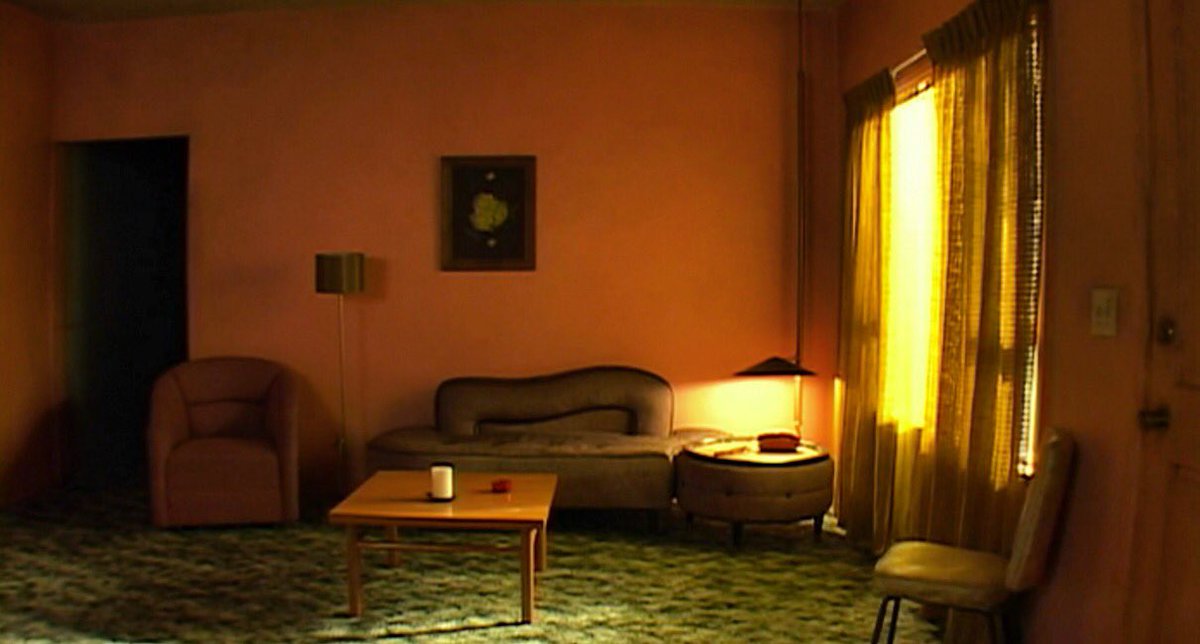
Though vastly different in subject matter, the haunting digital image of Inland Empire reflects the atmosphere I want to achieve.

The works of Ryan Trecartin likewise use heightened digital imagery to overwhelm and to create unease.
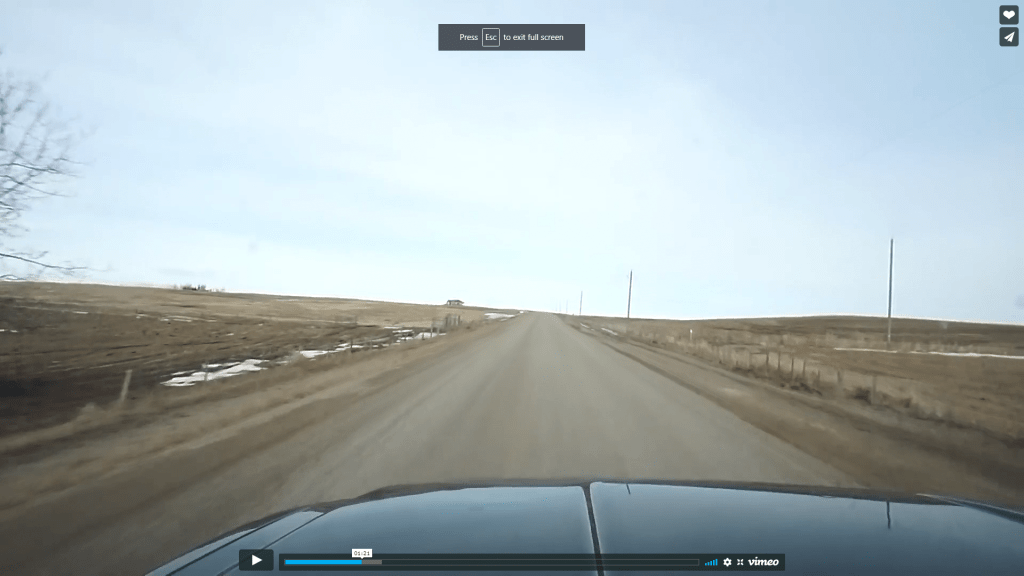
Canadian experimental filmmaker Steve Reinke (whose films could often be described as experimental and reflexive documentaries) use consumer digital cameras to evoke a feeling of home videos, thereby establishing a sense of intimacy that almost unsettles.
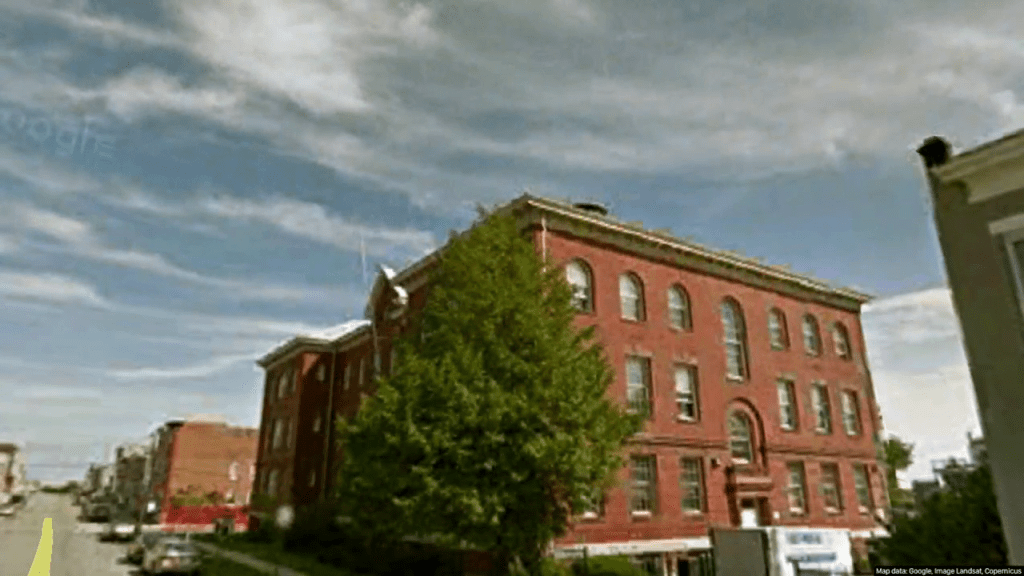
Rat Film, one of the most formally interesting documentaries of the past decade, uses a variety of low-fi representations of the city of Baltimore, including footage from what appears to be consumer digital cameras, Google Earth images, and crude CGI depictions. The result is something that foregrounds the camera and the screen (i.e., does not attempt to be an unbiased window to a profilmic space) but is also quite haunting in its glitchy and deteriorating visuals. The haunting sound design of the film, simultaneously meditative and abrasive, is also an influence on my film.

The Room With A Coconut Film is a Thai experimental documentary that, again, uses heightened digital aesthetics to explore the constructed meaning of a space. Though this film takes the idea further than I will be, it is nevertheless a great inspiration (though I am unfortunately unable to find a copy of the film to view again).
 Film 5050: Warren