Be yourself; Everyone else is already taken.
— Oscar Wilde.
This is the first post on my new blog. I’m just getting this new blog going, so stay tuned for more. Subscribe below to get notified when I post new updates.
Be yourself; Everyone else is already taken.
— Oscar Wilde.
This is the first post on my new blog. I’m just getting this new blog going, so stay tuned for more. Subscribe below to get notified when I post new updates.
This project is a poetic documentary and essay film about displacement and loneliness in the modern world and the seemingly impossible fantasy of a better reality. This work relies on appropriation in both image and sound in order to create something that is at once familiar but unknown.
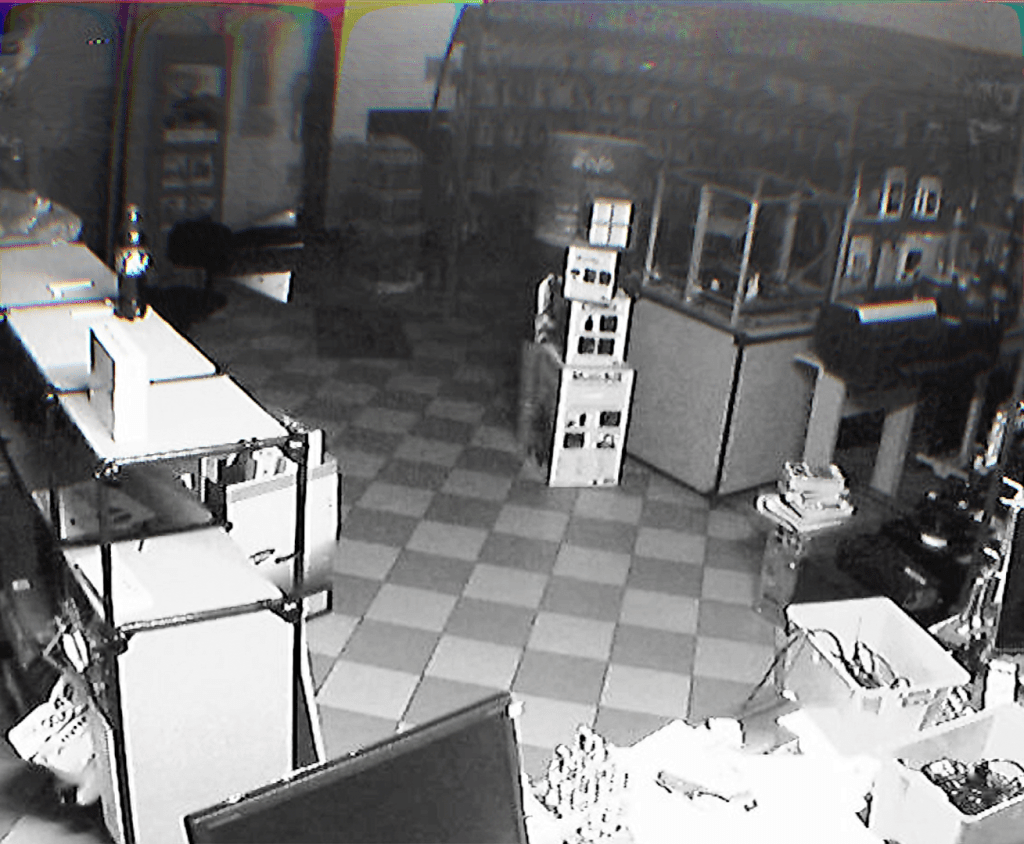
Security camera footage of empty spaces and liminal spaces serve as a metaphor for the feeling of alienation in the modern world. This is contrasted with utopic vistas that are both desirable but distant and artificial. This work documents the feeling of displacement from the reality that one is trapped in and presents the dream of a utopic home as an impossible fantasy. I will use images of empty and sterile spaces, accompanied by a sparse and haunting soundscape. This will be contrasted with lively and vibrant CGI imagery (appropriated from 90s CGI tech demo videos). The use of these retro CGI images also (much like in traditional vaporwave) interrogates the emptiness of nostalgia, and the artifice of the world which we are nostaligic for.
Using post-vaporwave sounds and visuals (i.e., deconstructing elements from vaporwave such as slowed down and pitch-shifted muzak, retro CGI imagery, and an exploration of an artificial utopia), I am examining the tension between an empty and uninviting reality and a welcoming and pleasurable fiction.
www.dummymag.com/news/adam-harper-vaporwave/
By extension, I will also explore the liminal space in between documentary and fiction. On one hand, I am appropriating images that were made with the intention of being solely documents in their function and using them to explore emotions and atmosphere. On the other hand, I am also appropriating images with no indexical relationship to the real world but using them as though they were documents of a different reality. Through this, I explore the tension between the two extremes of the filmic image. And through this tension, I hope to express the dialogue between the tragedy of an alienating reality and the tragedy of a utopia that cannot be.
Pathways (working title) by Warren Chan
Digital; ~6-9 minutes.
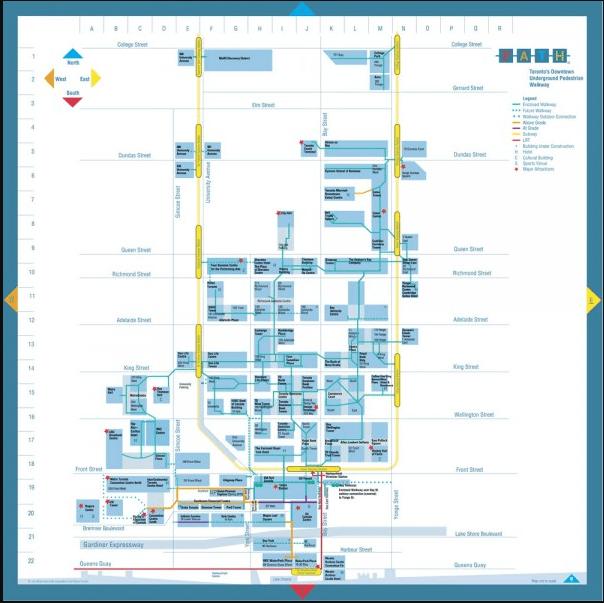
Logline: A sparse experimental documentary that uses Downtown Toronto’s labyrinthine PATH system as a backdrop to explore feelings of alienation in sterile, consumerism-driven liminal spaces.
Synopsis: Since the era of vaporwave, millennial artists and videographers have demonstrated a fascination with dead malls, a symbol of consumer culture accelerated past its breaking point and the isolating claustrophobia of a market-driven world. This can be seen in media ranging from video installation pieces to a deluge of YouTube channels dedicated to exploring these spaces.
Likewise, Pathways (working title) will examine the underground network of malls in Downtown Toronto. Through this, I will explore isolation and alienation in a sterile, market-driven world. The eerily sterile commercial nature of the PATH system may impose a sense of claustrophobia and dread. Yet, it is merely a liminal space that takes you from point A to point B. But is your destination, the above-ground world any different? Pathways will explore the PATH system as a microcosm of the world at large.
Treatment: This film will cut between two scenes: a sparse exploration of the PATH system, and a dream-like visual of the above-ground world.
For the PATH scenes, I will use the uncanny nostalgia of 00s digital cameras to evoke a sense of displacement from space and time. These scenes will be shot at night when there are few people around in order to highlight the feelings of isolation.
The gritty image will be juxtaposed with a constructed landscape that is eerily sparse, foregrounding echoing footsteps and distant Muzak. This will highlight not only the themes of isolation and alienation, but also the heightened artifice of the space.
Intercut with these scenes will be dream-like images of the above-ground world (using techniques I used in my previous film, where I project images through prisms) in order to express the fleeting desire to grasp onto a world that exists outside of the lonely labyrinth of malls. However, as the film progresses, these images become less distorted; as they become less distorted, the content of the images start to focus on billboards, ads, and stores. These scenes will be punctuated by complete silence in order to accentuate its distance.
In addition, I may experiment with additional aural elements, such as narration or disembodied voices.
Need for/importance of/uniqueness of your perspective/connection to your documentary: I intend for this film to work both individually and as a diptych alongside my previous film, I Dream of Vancouver. Both films explore alienation from the space one is in due to these spaces being defined by market forces. The implementation of the filming methods from I Dream of Vancouver in Pathways bridge the two, and together, they form a conversation exploring different facets of the same topic. My process here also forms a dialogue with my process in I Dream of Vancouver: in that film, I made a film about Vancouver from a distance, but with a personal connection to the space, whereas here, I am making a film about Toronto while in the space, but as an outsider to the city.
Participants/Cast/Interviewees: I intend not to include any human participants in my film as I am exploring alienation and isolation. I will aim for empty shooting locations, and if human figures are visible in the distance, they will not be identifiable.
Locations: The PATH system in Downtown Toronto; various Toronto locations
Shooting schedule:
PATH shoot: Thursday, February 27, 6-8pm
Outdoor shoot: Sunday, March 1, 12-4pm
Pickups (if necessary): Wednesday, March 11, 7-8pm
Crew: none
Equipment list: various digital camcorders and camera phones from the 00s
Budget: $0
Elevator pitch:
I am creating an experimental documentary that uses obsolete digital video technologies to capture the liminal space of Toronto’s PATH system. Through this, the video examines alienation and isolation in a world run by consumer culture and how the dream of freedom from this labyrinth is an increasingly fleeting fantasy. This process-driven film will be made on a shoe-string budget without crew or cast.
I want to explore the idea of “Living Here” through the lens of hyperreal spaces. What is the city of Toronto? Is the city defined by the lived experience of being in the space, or is it defined by mediated images? Do mediated images precede the reality of the space? Or are they the reality (hyperreality)? What does it mean to live in this hyperreal space?
To explore these questions, a resident of Toronto will be asked a series of questions that pertain to their life in the city experienced through technology and images. How often do you refer to a map of Toronto? Can you recite all the stops on the TTC map? Do you read blogs or watch vlogs about the city? Do you look at photography of the city? Do you watch local news? Do you recognize the city in films that are shot here? Are there discrepancies between images of the city and your lived experience of it? If so, which do you think is a more authentic description of living here?
During the interview, the subjects will be positioned in front of a blank wall. A projector will project Google Street View images of Toronto onto the subject and the blank background.
In the final moments of the film, we cut to footage of the film subject actually walking through the streets of Toronto. Yet, the audience is now confronted with the questions: Isn’t this, too, just a mediated image? Is this footage of the city any less authentic than the Google Street View images we’ve been seeing up to this point. Do these images say less or more about the place of Toronto than those Google Street View images?
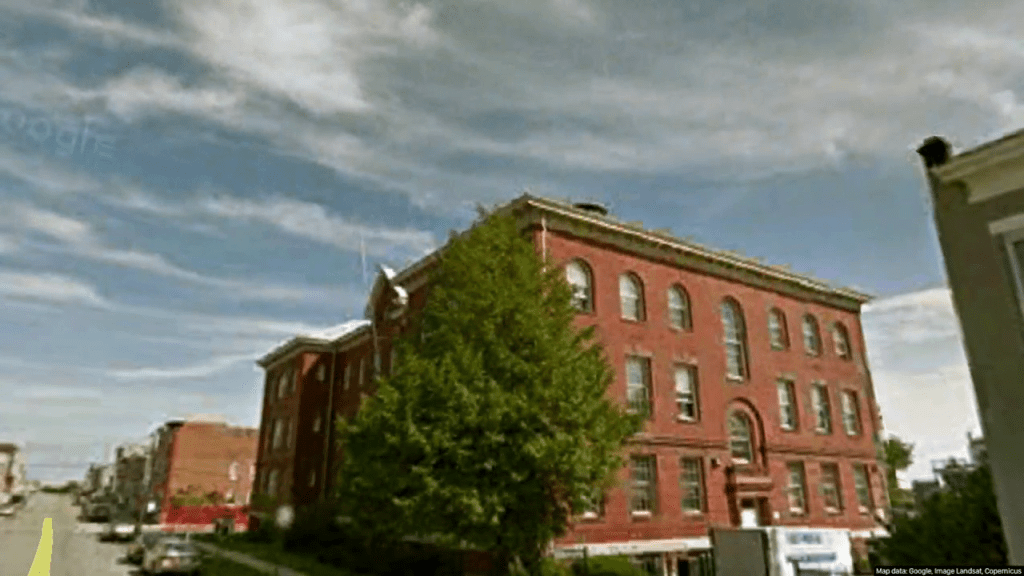
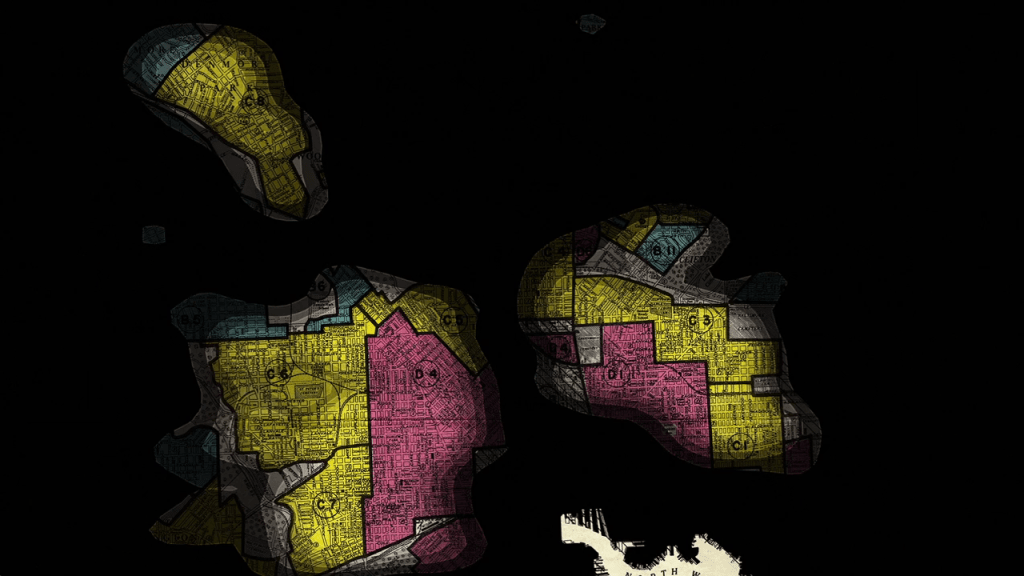

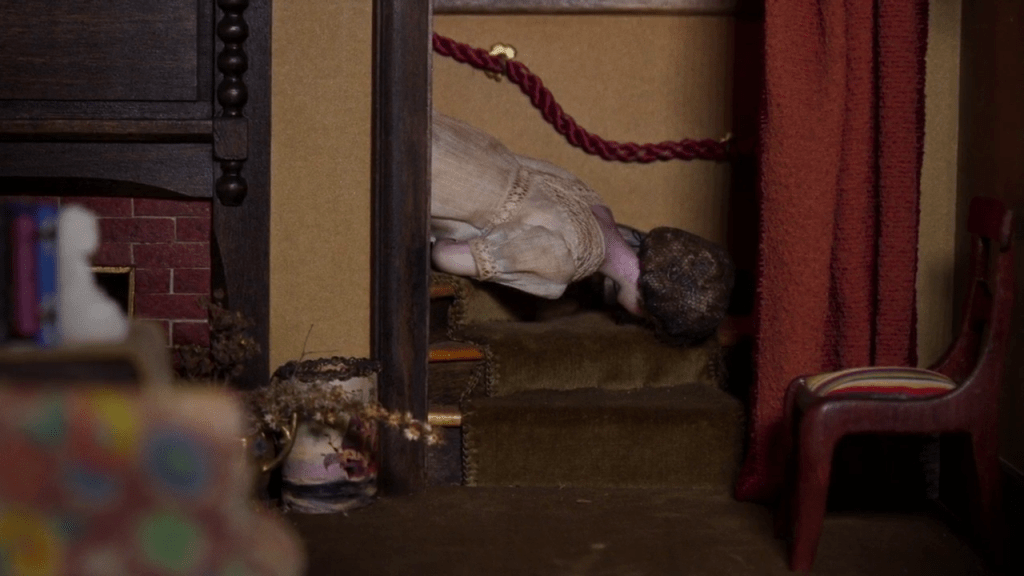
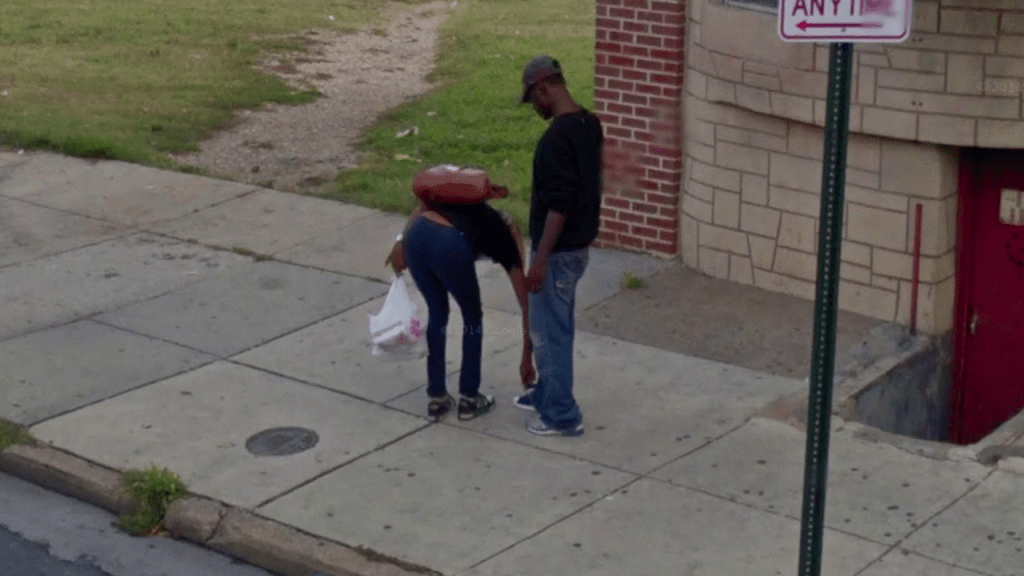
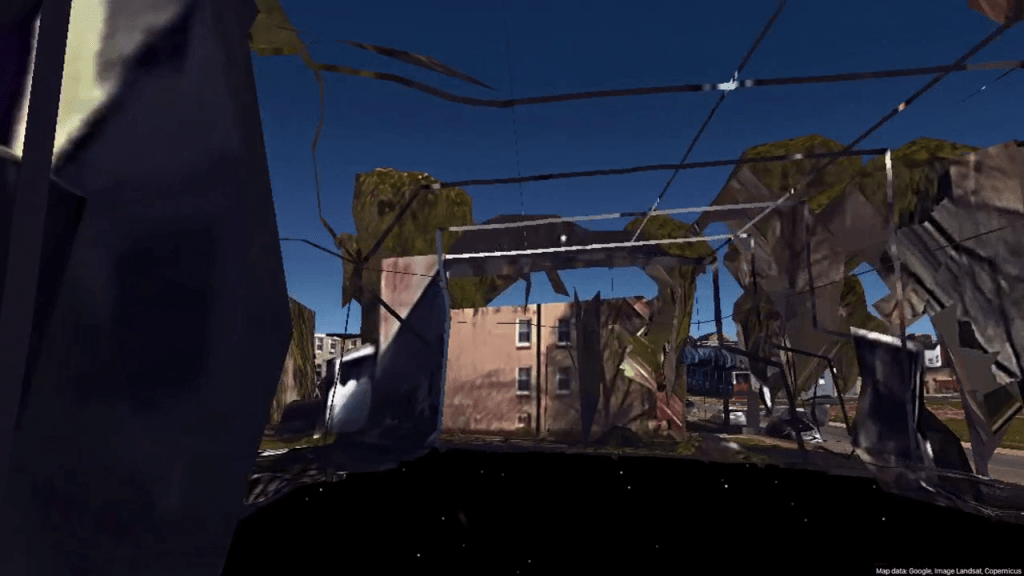
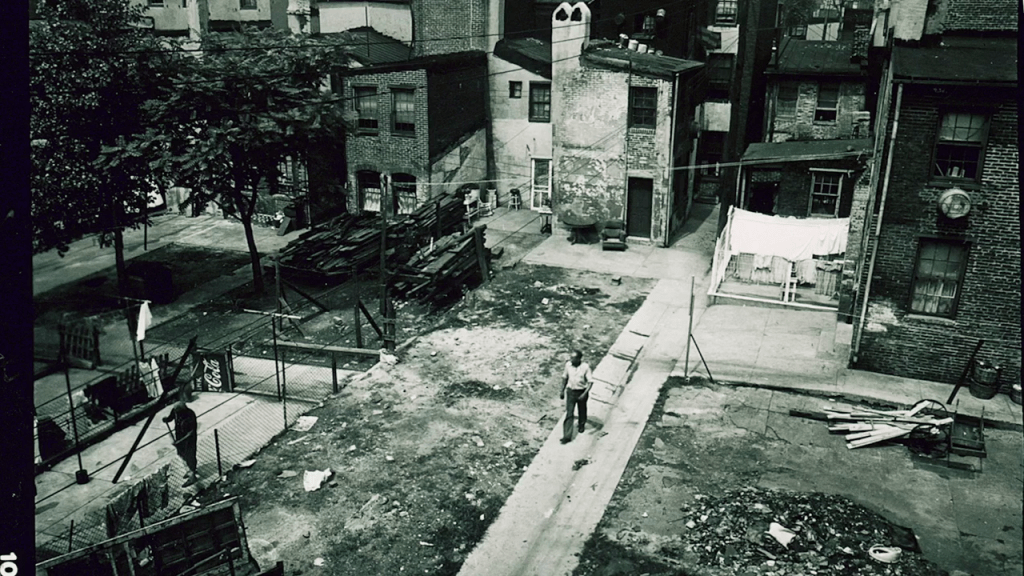

Above images are from Rat Film, which I also reference in my final project proposal. This film is ostensibly about rats but is really about racial segregation and economic inequality in Baltimore. A variety of constructed images are used to depict the city, including Google Earth View images, crude CGI creations, old maps, and even scale models. For this project, I am taking inspiration from its use of Google Street View images.
I am interested in creating an experimental poetic documentary that explores liminal spaces in the city (bus stops, train stations, waiting rooms, gas stations, etc), and the associated themes of uncanniness and alienation. I will shoot on a variety of obsolete digital cameras and camera phones to highlight artifacts of the digital image in order to achieve a haunting visual style that evokes a raw and unpleasant form of nostalgia. The only characters of the film would be these spaces. I will capture images devoid of human life (e.g., traffic, pedestrians) in order to amplify the feelings of alienation; to accomplish this, I would film late at night and in early mornings. The film will begin with static shots that remain on screen for several minutes, almost outstaying their welcome and therefore amplifying unease and sparseness. As the film continues, tensions is built as shots become increasingly shaky and unpredictable, and the pacing of the editing accelerates towards a frantic montage. The soundscape, too, will follow a similar trajectory. Early in the film, I would use sparse, diegetic soundscapes. As the film intensifies, so too does the soundscape as I layer in abrasive sounds of the city and as a haunting ambient drone score swells in the background.
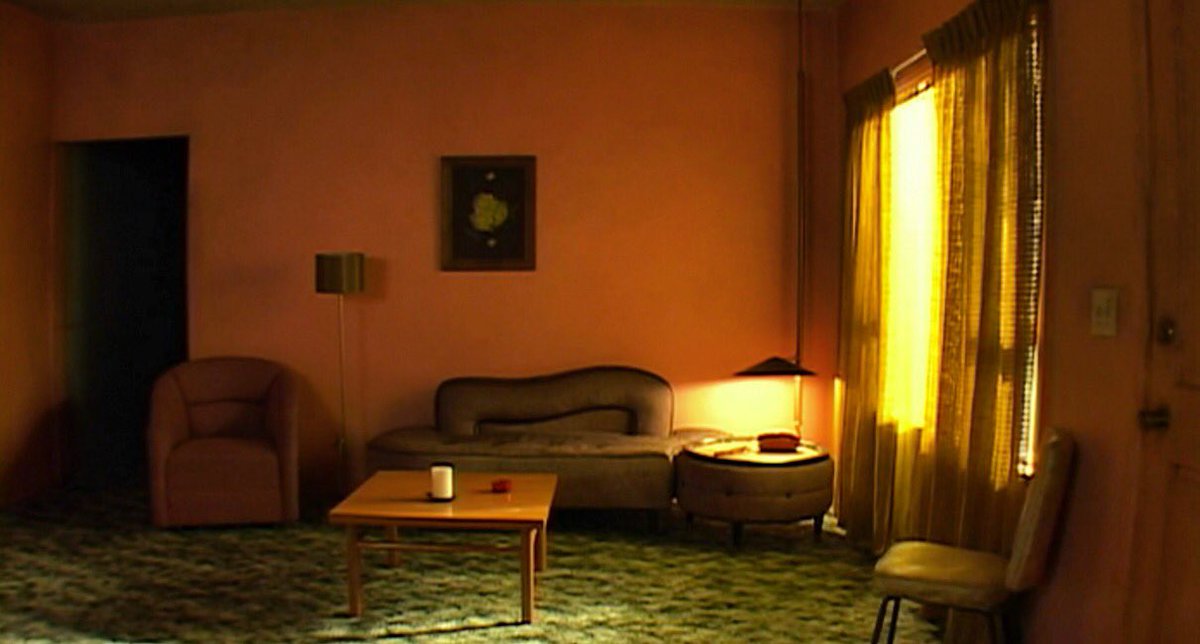
Though vastly different in subject matter, the haunting digital image of Inland Empire reflects the atmosphere I want to achieve.

The works of Ryan Trecartin likewise use heightened digital imagery to overwhelm and to create unease.
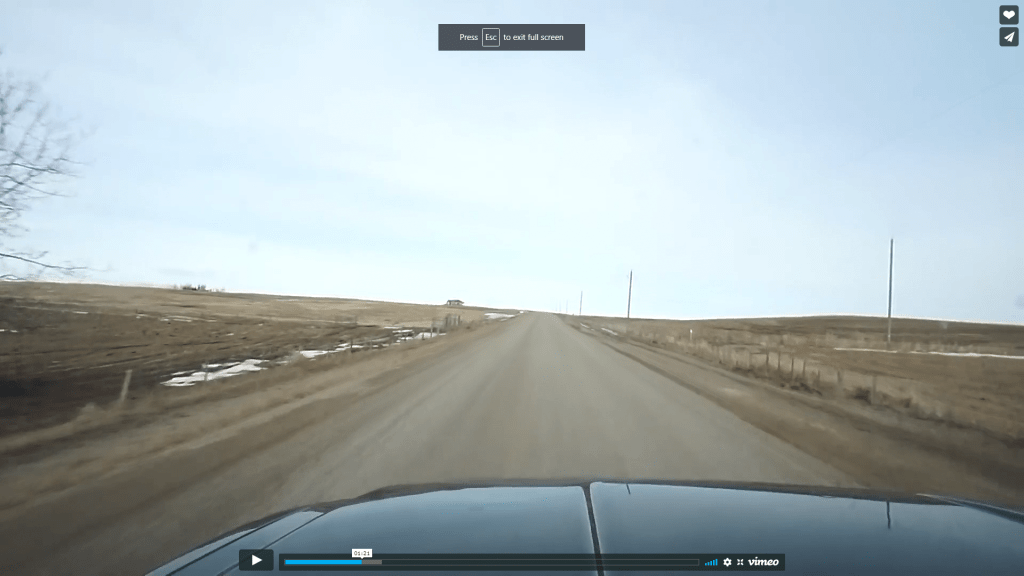
Canadian experimental filmmaker Steve Reinke (whose films could often be described as experimental and reflexive documentaries) use consumer digital cameras to evoke a feeling of home videos, thereby establishing a sense of intimacy that almost unsettles.
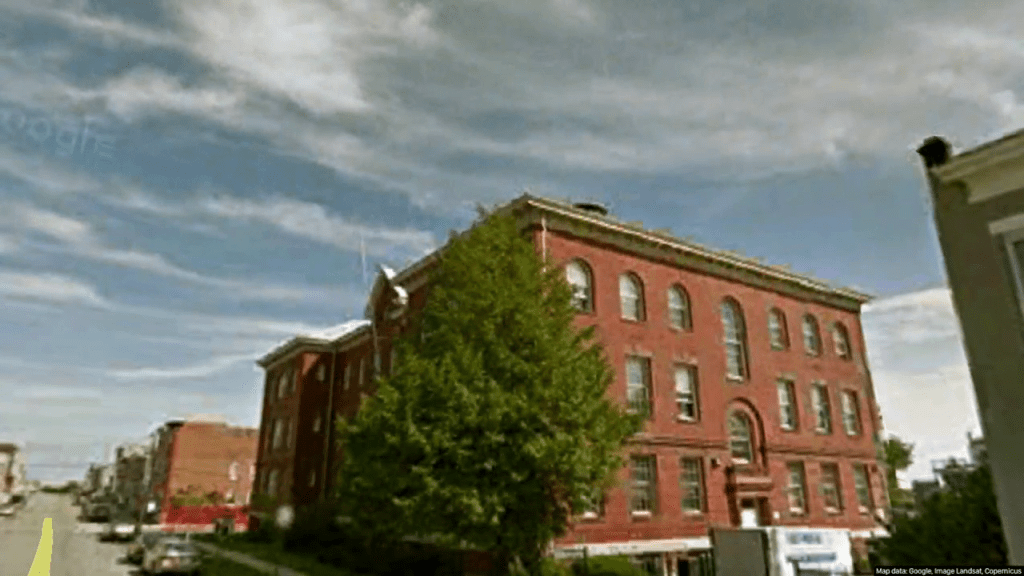
Rat Film, one of the most formally interesting documentaries of the past decade, uses a variety of low-fi representations of the city of Baltimore, including footage from what appears to be consumer digital cameras, Google Earth images, and crude CGI depictions. The result is something that foregrounds the camera and the screen (i.e., does not attempt to be an unbiased window to a profilmic space) but is also quite haunting in its glitchy and deteriorating visuals. The haunting sound design of the film, simultaneously meditative and abrasive, is also an influence on my film.

The Room With A Coconut Film is a Thai experimental documentary that, again, uses heightened digital aesthetics to explore the constructed meaning of a space. Though this film takes the idea further than I will be, it is nevertheless a great inspiration (though I am unfortunately unable to find a copy of the film to view again).
This is an example post, originally published as part of Blogging University. Enroll in one of our ten programs, and start your blog right.
You’re going to publish a post today. Don’t worry about how your blog looks. Don’t worry if you haven’t given it a name yet, or you’re feeling overwhelmed. Just click the “New Post” button, and tell us why you’re here.
Why do this?
The post can be short or long, a personal intro to your life or a bloggy mission statement, a manifesto for the future or a simple outline of your the types of things you hope to publish.
To help you get started, here are a few questions:
You’re not locked into any of this; one of the wonderful things about blogs is how they constantly evolve as we learn, grow, and interact with one another — but it’s good to know where and why you started, and articulating your goals may just give you a few other post ideas.
Can’t think how to get started? Just write the first thing that pops into your head. Anne Lamott, author of a book on writing we love, says that you need to give yourself permission to write a “crappy first draft”. Anne makes a great point — just start writing, and worry about editing it later.
When you’re ready to publish, give your post three to five tags that describe your blog’s focus — writing, photography, fiction, parenting, food, cars, movies, sports, whatever. These tags will help others who care about your topics find you in the Reader. Make sure one of the tags is “zerotohero,” so other new bloggers can find you, too.

 Film 5050: Warren